
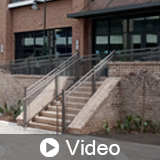
Centering the Outdoor Stage: Aluminum Railing Products for Commercial Applications
When it comes to railings, every choice, material, connection method, and finish, affects not only the look of a project but how efficiently it’s built and maintained. This course compares mechanical aluminum railing systems with traditional welded steel and welded aluminum options. You’ll see how advancements in design and fabrication have created systems that install faster, maintain strength over longer spans, and arrive on-site with durable factory-applied finishes that outlast field-painted alternatives.
We’ll explore what makes mechanical aluminum systems more consistent, more cost-effective, and easier to repair, while still meeting all IBC and ASTM requirements. Along the way, we’ll discuss coating technologies, anodizing, and the real-world challenges that come with welding aluminum or managing small-batch finishing systems.
By the end, you’ll understand how mechanical aluminum railings have redefined performance in commercial and multifamily applications, offering design flexibility without compromising reliability or aesthetics.
- Compare mechanical aluminum railing systems to welded steel and welded aluminum systems, recognizing key differences in installation, appearance, cost, and long-term performance.
- Evaluate the operability of aluminum railing products to include practical applications, benefits and safety considerations for commercial project design and architectural specification.
- Conduct an examination of code criteria informing compliance standards relevant to aluminum railing products focused on occupant health and building safety.
- Explore applicable case studies on design projects that highlight the safety, sustainability and performance of aluminum railing products for commercial applications.